Fish and Techniques
Bluefin Tuna from Rock Harbor
Chasing bluefin tuna from Rock Harbor takes the right permit, heavy gear and patience. What the fishery involves and how charters approach it.
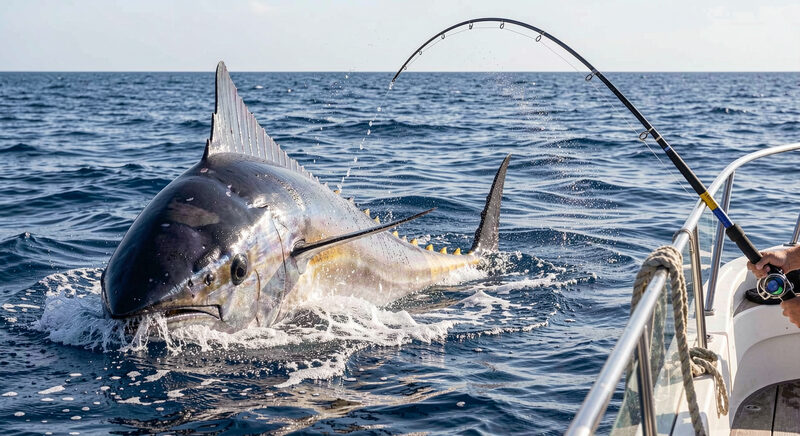
Bluefin tuna are the largest fish most Cape Cod Bay anglers will ever hook, and the most demanding. A bluefin can weigh hundreds of pounds, it fights with a power that makes striped bass feel tame, and it is managed under rules that are stricter than anything that applies to inshore fishing. Chasing tuna from Rock Harbor is a deliberate, expensive and patient business, and it is not for everyone. But for those who take it on, it is the summit of fishing on this coast.
This guide explains what the bluefin fishery involves, why it is so heavily regulated and how the boats that pursue it from Rock Harbor go about it.
A fish of open water
Atlantic bluefin tuna are wide-ranging migrants that cross the ocean on a scale that is hard to imagine. The fish that appear off Cape Cod in summer are part of a population that feeds in the rich waters of the North Atlantic and moves along the coast with the seasons. They are built for speed and endurance, with a body that can reach enormous size and a metabolism that demands constant feeding.
In Cape Cod Bay, tuna are generally found in the deeper water rather than over the shallow shoals, though they do push into the bay in the warmer months to feed. They chase baitfish, including mackerel and herring, and the boats that target them look for signs of those schools and for the surface activity that tuna create when they feed.
Why the rules are strict
Bluefin tuna are managed internationally, and the rules that govern their catch are among the tightest in recreational fishing. In the United States, anglers who want to target bluefin need a Highly Migratory Species permit from NOAA Fisheries, which is separate from any state permit. On top of the permit, there are quotas, size classes and retention limits that change from year to year and can close a category of fishing with little notice.
That regulatory weight exists because bluefin stocks have been under pressure for decades and the fishery is carefully controlled. For an angler, the practical lesson is simple: do not assume that a permit and a rod are enough. Check the current federal rules before planning a tuna trip, and understand that the rules can change mid-season. The guide to Massachusetts saltwater rules explains how the federal and state layers fit together.
The gear and the boat
Tuna tackle is a different order of equipment from inshore gear. Rods, reels and line are built to handle a fish that can run hundreds of yards and fight for a long time, and the terminal tackle is heavier to match. The methods range from trolling large lures or baits to drifting and, in some fisheries, casting to fish that are showing on the surface. All of it requires a boat capable of running to deeper water and staying there.
That is where the tide at Rock Harbor becomes a real constraint. A tuna trip usually means a long run offshore, and the harbor's tidal window has to be built into the plan. The guide to reading the tides at Rock Harbor explains why a full day has to be planned around water that comes and goes.
Patience as the main skill
The honest truth about tuna fishing is that most days do not produce a fish. The hours are long, the run is far and the odds are uncertain, even for crews who know the water well. What separates a good tuna boat from a hopeful one is preparation and patience: the right bait in the right place, the willingness to wait and the discipline to follow the rules even when a fish is on the line.
For a guest, that means managing expectations. A tuna trip is not a sure thing, and it should not be booked as one. It is a chance at something extraordinary, offered on the terms the ocean sets, and the boats that fish for bluefin from Rock Harbor are candid about that.
When tuna show in the bay
Bluefin appear in Cape Cod Bay in the warmer months, generally from midsummer into early autumn, when the water is at its warmest and bait is plentiful. They are not a reliable inshore target the way striped bass are. Some seasons they push well into the bay and offer genuine opportunities; other seasons they stay further offshore and the boats have to run to find them. Anglers who follow the fishery watch the reports closely, because the window can open and close within weeks.
The presence of tuna also changes the mood of the bay. A boat rigged for tuna is a different proposition from one fishing the flats, and the crews that chase bluefin commit real time and fuel to the search. For a guest, that means a tuna trip is best planned with a captain who fishes the fishery regularly, rather than treated as an add-on to an inshore day.
Is a tuna trip right for you?
A bluefin trip suits an angler who is comfortable with heavy gear, long hours and uncertainty, and who understands that the rules are part of the deal. It does not suit a family looking for a relaxed afternoon on the bay, and it does not suit anyone who wants a guarantee. For those trips, the inshore fishery is the better choice.
For everyone else, bluefin tuna remain the bay's great what-if, the fish that turns up in the reports each summer and reminds anglers how big the water really is. The fish and techniques section places tuna alongside the bass and bluefish that most trips are built around, and the boats and fleet section explains how a charter day is organised for the fishing an angler actually wants.