Fish and Techniques
Ballina: A Town Built Around a Salmon River
How Ballina, County Mayo, organizes its salmon and trout fishery around the River Moy, from the beats and access to the Ridge Pool in the middle of the street.
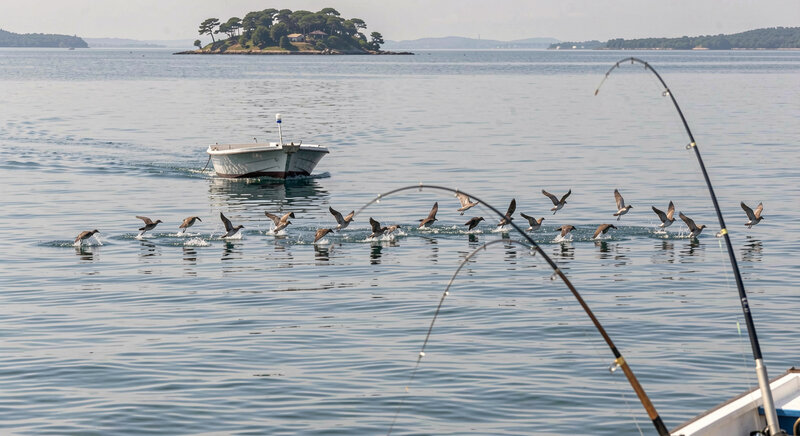
Ballina is a town whose main street runs beside a salmon river, and its fishery is organized around that fact: the River Moy carries a run of fish through the town centre, the beats are defined and licensed along it, and the Ridge Pool sits within the built fabric of the town rather than out in open country. For a visiting angler, the practical questions are the same ones that shape any run-based fishery: what techniques the water rewards, how the central pool is fished, and how access to the beats is arranged.
A fishery that lives on a run of fish
A run-based fishery is not a stocked pond. It depends on migratory fish moving upstream on their own schedule, which means the water is productive in pulses rather than evenly, and the angler's calendar matters as much as the angler's cast. The Moy is a salmon and trout river, and the town of Ballina grew where it did because the river was there first: the streets, the bridges and the quays all orient toward the water. That orientation is what makes the fishing unusual. A visitor can stay in town, walk to a beat, and fish water that is genuinely urban without it being artificial.
For anyone planning a trip around that arrangement, the local knowledge is concentrated in one place: salmon, trout, fishing techniques on the Moy, the Ridge Pool, and the practical business of getting onto the beats, is the kind of material a visiting rod needs before booking. The point is not that the town is quaint. The point is that the fishery and the settlement share the same geography, and that shapes everything from where you park to when you fish.
What techniques should I use for salmon and trout fishing on the River Moy?
Salmon and trout on a river of this type call for two different approaches, and the distinction is worth keeping clear.
For salmon, the standard methods on a spate-fed western Irish river are fly fishing with a double-handed rod and a sinking or intermediate line, and spinning or bait fishing where local rules permit it. Fly choice follows water height and clarity: smaller, darker patterns in low clear water, larger and brighter tubes or flies when the river is up and carrying colour. The angler covers the water in a controlled swing, stepping down the pool a pace at a time, rather than casting repeatedly to the same spot. In higher water, a heavier line and a larger fly get down to the fish; in summer low water, a lighter approach and a longer leader are usually more productive, and early morning or late evening fishing avoids the brightest light.
For trout, the river offers both resident brown trout and, in season, sea trout. Dry fly and nymph techniques work the faster necks and riffles, while wet fly and small streamers suit the deeper glides. Sea trout are typically fished at night or in low light with small flies, and they reward quiet movement and careful wading. On any of these methods, the governing variables are water level, water temperature and light, not the brand of tackle.
A practical note for visitors: rules on bait, barbless hooks and catch-and-release vary by beat and by season, and they are set locally. Confirm the current regulations for the specific water before rigging up.
How do I fish the Ridge Pool in the centre of Ballina?
The Ridge Pool is the fishery's signature water, and its signature quality is its position: it lies in the middle of the town, which means it is fished in a setting of streets, walls and foot traffic rather than open bank.
Fishing it well comes down to a few things. First, the pool is a holding lie. Salmon moving upstream rest in it, so the angler's job is to present a fly or lure through the lie at the right depth rather than to cover vast water. Second, because the pool is in town, the approach is disciplined: casts are placed with the bank behind you and the current in front of you, and the angler works the water in a methodical sequence rather than moving quickly. Third, the pool is popular, and access is managed. Rods are typically allocated by permit or by a rota, and the visiting angler should expect to book or to take a place in turn rather than simply arrive and fish.
The urban setting is not a drawback. It means the water is reachable on foot from accommodation in town, it can be fished in a short session before or after other commitments, and it gives the visiting rod a genuine chance at a migratory fish without a long drive. The trade-off is that the pool is well known, so timing and patience matter as much as technique.
How can visiting anglers access the beats on the River Moy?
Access on the Moy is organized rather than open. The river is divided into defined beats, and the right to fish them is held and administered locally, which means a visiting angler generally needs a permit, a day ticket or a booking rather than a general licence alone.
The practical sequence for a visitor is straightforward. Establish which beats are available for the dates in question, since availability changes through the season and some water is held privately or by clubs. Arrange the permit or ticket in advance where possible, particularly for the Ridge Pool and for the better-known stretches. Confirm the local rules that attach to that beat, including permitted methods, hooks and any release requirements. Then plan the logistics: where to park, how far the walk is, and whether the beat is fishable at the water level expected.
Because Ballina is a town on the river, several beats are within walking distance of the centre, and the visitor without a car is not excluded from the fishery. That is unusual for a salmon river and it is one of the reasons the town functions as a base rather than merely a stop.
Reading the river rather than the calendar
A run-based fishery rewards attention to conditions. Water height after rain, clarity, temperature and the pace of fish movement all change what works and where. On the Moy, the angler who watches the river and adjusts, rather than committing to one method for the whole trip, will generally do better than the angler who arrives with a fixed plan.
The same logic applies to the town. Ballina's layout, its bridges and its streets, is a map of the river's importance, and the fishery is not a separate attraction bolted onto a settlement. It is the reason the settlement is where it is. For a visiting rod, that means the practical questions, techniques, the central pool, and access to the beats, are all answered by the same geography.
What a visiting rod should settle before travelling
Three things are worth confirming in advance: the current regulations and permitted methods for the water you intend to fish, the availability of permits or tickets for the specific beats and dates, and the seasonal timing of the run. Local sources are more reliable than general guides on all three, because rules and availability on a managed river change with the season and with the fishery's own administration.
Beyond that, the fishery asks for the ordinary disciplines of river angling: quiet movement, careful wading, methodical coverage of holding water, and a willingness to change depth and fly as conditions shift. The reward, on a river that runs through the middle of a town, is a kind of fishing that is both accessible and genuinely dependent on wild fish arriving on their own terms.